Valentina Grillo-Alvarado, Recipient of the American Society of Hematology’s 2025 HIP Graduate Student Award
Published
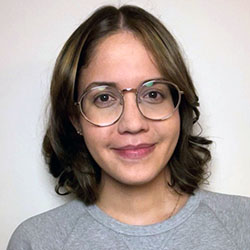 Valentina Grillo-Alvarado
Nov. 6, 2025 — The Center for Immunity and Immunotherapies is thrilled to announce that PhD candidate Valentina Grillo-Alvarado in the Torbett Lab has been selected by the American Society of Hematology (ASH) to receive the 2025 Hematology Inclusion Pathway (HIP) Graduate Student Award. This highly competitive award recognizes emerging leaders who are dedicated to advancing hematology research.
The HIP Graduate Student Award strives to ensure that graduate students in hematology reflect and serve the greater population.
This award, which provides $80,000 in funding, will enable Valentina to spend two years conducting basic and translational hematological research and promote their findings at the HIP Presentations and Reception event at the ASH Annual Meeting and Exposition.
“It has been an incredible experience working with Dr. Torbett and getting to know people in the CIIT labs. Receiving this award allows me to complete my PhD thesis and connect to a network of experts in hematology research,” Valentina shares. “I am planning on attending the ASH Annual Meeting in 2025 and 2026, where I will be experiencing hematology-focused research presentations and meeting researchers from all over the world!”
Valentina further extends her gratitude to her mentors at Seattle Children’s, including Bruce Torbett, PhD, Mara Pavel-Dinu, PhD, Beth Lawlor, MD, PhD and Jay Sarthy, MD, PhD.
The HIP Graduate Student Award will significantly accelerate Valentina's trajectory as a leader in understanding, diagnosis, treatment, and prevention of disorders affecting the blood, which furthers the Center’s commitment to revolutionizing treatment for hundreds of rare and common genetic disorders.
— Empress Rivera-Ruiz
Related Centers & Programs
Related Articles

Clinical Milestone for Seattle Children's Innovation
Published
The Power of Research to Improve Emergency Department Care
Published
By participating in research in Seattle Children’s Emergency Department, thousands of patients have helped generate evidence that improves care and outcomes for young people with acute injuries or illnesses.
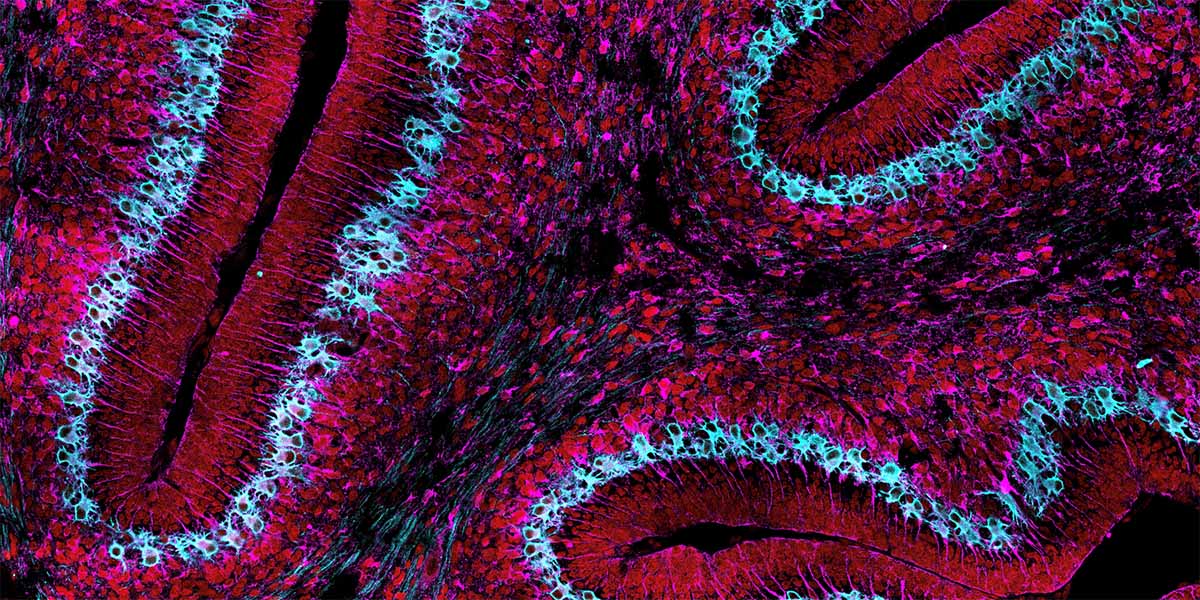
Mapping the Developing Mind: Spatial Transcriptomics Reveals the Early Origin of Bergmann Glia
Published
The Millen Lab solves a 50-year mystery in cerebellar development. Published in PNAS, this research uses spatial transcriptomics to redefine the timeline of Bergmann glia and correct long-standing inaccuracies in brain science.