New Research From the Grundner Lab Reveals Hidden Factors in TB Drug Resistance
Published

Summary
Research from the Grundner Lab at Seattle Children’s and colleagues has identified the PE/PPE protein family as key transporters that allow drugs to cross the highly impermeable outer membrane of Mycobacterium tuberculosis (TB). By solving this longstanding mystery of bacterial permeability, the research reveals a new factor in clinical drug resistance and provides a roadmap for designing more effective TB treatments.
Christoph Grundner, PhD, shares insights from his latest research published in Nature Communications.
Is this research a first in any way?
Yes. This is the first report of this new gene family affecting TB drug resistance. It solves a longstanding question in the field: How do drugs cross the highly impermeable outer cell wall of M. tuberculosis?
What was the need for this research?
TB drug resistance is rampant and still poorly understood. To combat the spread of resistant strains, we need to understand the fundamental biological mechanisms the bacteria use to survive treatment.
How can this research lead to better ways to treat, prevent, or diagnose TB? What is the potential impact?
Understanding how drugs enter the cell helps us design better, more effective medications. Our study challenges a longstanding assumption in the TB drug development space: the idea that drugs must be lipophilic (fat-soluble) to get across the outer membrane. This opens up entirely new pathways for drug discovery.
What are the next steps and long-term goals for this research?
Our next steps are to understand the mechanics of how this gene family works to transport drugs. Long-term, we aim to explore the targeting of drugs to these specific transporters to improve treatment outcomes.
Related Centers & Programs
Related Articles

Publication Q&A: Molecular Methods to Detect and Quantify Fungal Communities in Cystic Fibrosis Airway Specimens
Published
Study shows DNA-based testing can detect and identify more fungi in the lungs of people with and without cystic fibrosis (CF) compared to traditional culture-based approaches, and that throat swabs may provide useful information about airway fungi.
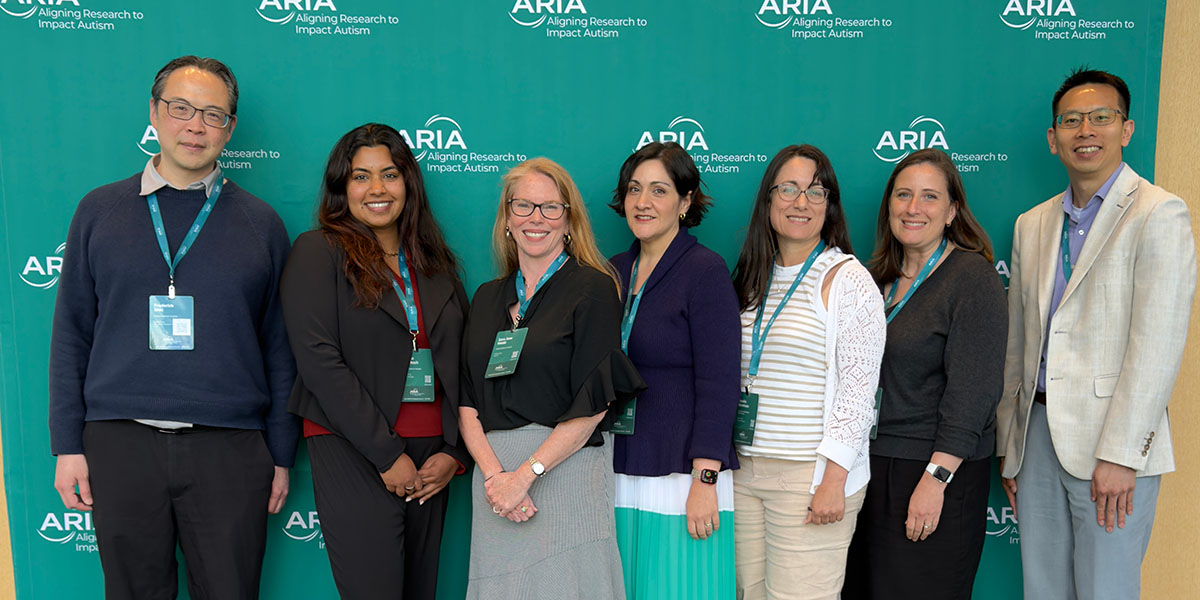
Dr. Sara Jane Webb Awarded Grant up to $17.25M to Advance Autism Research
Published
Dr. Sara Jane Webb and Seattle Children’s join the international IMPACT Network to pioneer future clinical trials and therapeutic opportunities for children with profound autism.
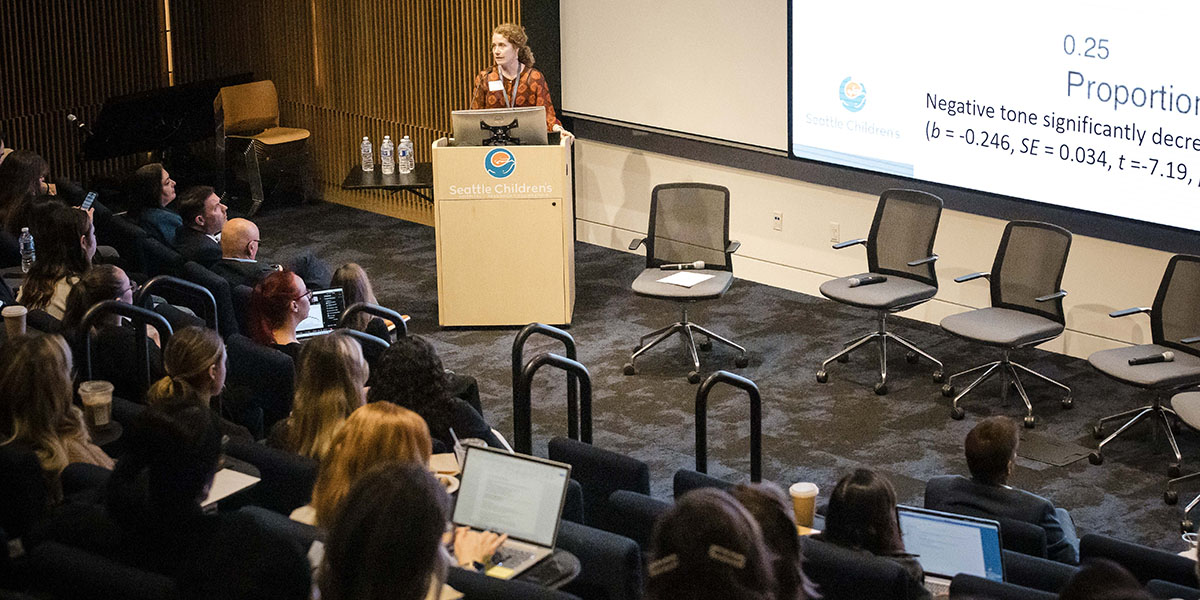
Advancing Youth Mental and Behavioral Health: Seattle Children’s Shares Crucial Prevention Research
Published
Seattle Children’s Research Institute’s second annual Pediatric Mental and Behavioral Health Research Summit tackles tough topics around suicide and self-harm prevention through evidence-based research and interventions.