Decoding the CAR T-Cell 'Signalosome': A New Path to Safer Cancer Therapy
Published
Summary
Researchers at Seattle Children's Research Institute have made new insights in cancer immunotherapy, discovering a method to predict which manufactured batches of CAR T-cells are likely to cause side effects. This first-of-its-kind study offers a potential path to making CAR T-cell therapy safer and more predictable for children and young adults battling cancer.
Q: What critical challenge in CAR T-cell therapy does this research address?
A: While Chimeric Antigen Receptor (CAR) T-cell therapy is a potentially curative treatment for certain blood cancers, it carries an unpredictable risk of cytokine release syndrome — a severe, immune-driven inflammatory reaction. The core problem is the inability of clinicians to determine which manufactured cell batches will be safe or high-risk before they are administered to patients. This research sought to identify the molecular clues that explain why some CAR T products cause severe inflammation while others do not.
This discovery is an important step toward precision medicine in cell therapy. For the first time, we can look inside a patient’s CAR T cells, read their molecular 'fingerprint,' and accurately forecast the risk of severe inflammation before treatment begins.
Q: What is the primary, first-in-field discovery presented in this study?
A: This is the first study to show that the precise network of proteins linked to the CAR T-cell receptor — its “signalosome” — can be measured before a patient gets treated. The research team found that subtle variations in this protein network create a "fingerprint" that predicts a patient's risk of developing severe cytokine release syndrome.
Q: What clinical and translational impact will this research have on CAR T-cell treatments?
A: This study provides a potential path toward making CAR T therapy safer and more predictable by offering a way to assess risk before the infusion. By using a screening tool to analyze the unique "signalosome fingerprint" of each cell batch, clinical outcomes could meaningfully improve:
- Spot High-Risk Batches: Hospitals can proactively identify cell products that are likely to cause severe cytokine release syndrome before they are given to the patient.
- Treat Smarter: Doctors can adjust a patient’s dose based on the product’s measured risk.
- Guide Next-Gen Design: This knowledge gives clear targets for designing CAR receptors, making future cell therapies safer and improving overall patient outcomes.
Q: What are the next steps for the Seattle Children's research team?
A: The Molecular Dynamics Lab, led by Stephen E.P. Smith, PhD, at Seattle Children’s plans to expand testing to larger groups of patients and different CAR designs to build a reliable, quantitative “risk score” for cytokine release syndrome. The long-term goal is to turn this research into a rapid, clinical-grade test that quickly screens CAR T-cell products for toxicity risk as a standard part of manufacturing quality control.
This research was published in the Journal for Immunotherapy of Cancer.
Related Categories
Related Articles

Clinical Milestone for Seattle Children's Innovation
Published
The Power of Research to Improve Emergency Department Care
Published
By participating in research in Seattle Children’s Emergency Department, thousands of patients have helped generate evidence that improves care and outcomes for young people with acute injuries or illnesses.
Mapping the Developing Mind: Spatial Transcriptomics Reveals the Early Origin of Bergmann Glia
Published
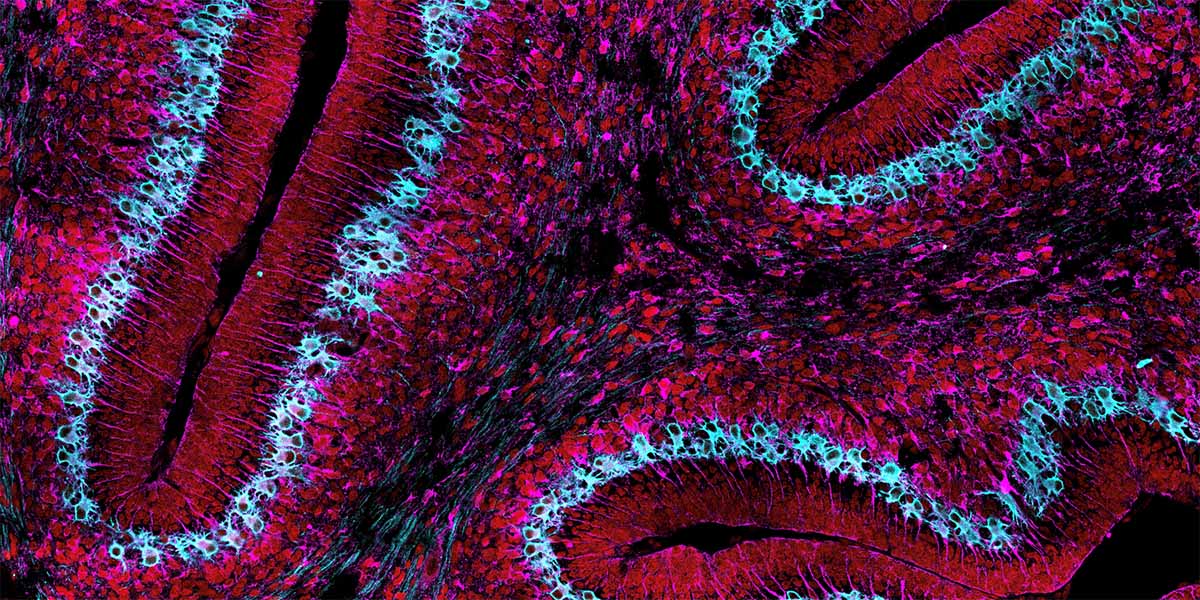
The Millen Lab solves a 50-year mystery in cerebellar development. Published in PNAS, this research uses spatial transcriptomics to redefine the timeline of Bergmann glia and correct long-standing inaccuracies in brain science.