
22q Clinic
Contact the 22q Clinic
What is the Seattle Children’s 22q Clinic?
Seattle Children’s 22q Clinic cares for children who have differences in a part of chromosome 22 called the q11.2 region. These differences can cause a wide variety of health issues, from mild to severe.
Our 22q Clinic brings together experts from many departments to care for children who have 22q11.2-related disorders. The clinic is part of Seattle Children’s Craniofacial Center.
Why choose the 22q Clinic at Seattle Children’s?
Our 22q Clinic has been helping families care for children with 22q11.2-related disorders since 2006. We are the only multidisciplinary clinic for children with these conditions in the 5-state region that includes Washington, Alaska, Montana, Idaho and Wyoming and are the second largest 22q clinic in the United States.
At Seattle Children’s, a team experienced with these conditions will evaluate your child. We work to understand the total picture of your child’s health.
We will create a personalized care plan for your child and bring in other experts as needed to meet your child’s needs. Our goal is to identify and care for each problem that affects your child.
How can the 22q Clinic help my family?
-
Prenatal diagnosis
We welcome expectant parents who have questions after testing during pregnancy or because of a family history of these conditions.
If prenatal testing shows that your baby has a 22q11.2-related disorder, our team can help you understand the results and suggest other tests if needed.
See 22q11.2-related disorders for more about prenatal diagnosis.
-
Diagnosis after birth
The 22q Clinic team sees children who have already been diagnosed with a 22q11.2-related disorder.
Your 22q Clinic pediatrician will examine your child and look for the differences that are linked with their 22q11.2-related disorder. Because the symptoms differ from child to child, a careful exam is important. They will also give you guidance about what the condition means for your child.
Your child may need other tests or procedures to learn more about their exact condition. For example, an ultrasound picture of their heart () can show if they have any heart problems.
-
Coordinated medical care
Our clinic can easily form a team with the right experts to care for your child’s specific needs. Our experienced clinic team has specialists in 10 different fields.
Your child can receive much of their care in the same place at the same time. If your child needs to be checked by other specialists at Seattle Children’s, we coordinate appointments to reduce the number of clinic visits for you.
We work together, and with you and your child’s primary care provider, to care for your child.
See 22q11.2-related disorders to learn more about treatment.
-
Family education and support
It is often helpful to connect with other families whose child has a 22q11.2-related disorder. Our social worker helps you get the support you need. There’s a Facebook group for our 22q Clinic families. We will also put you in touch with resources in your community.
Our clinic participates in events to help families meet each other and to raise awareness of these conditions, such as 22q at the Zoo, an event that happens worldwide every spring.
2025 Day of Education videos
- Welcome, Behaviors and Interventions, Cindy Ola Trevino, PhD
- Vaccines and 22q, Maite de la Morena, MD
- Neuropsychology and IEPs, Skyler Leonard, PhD, ABPP
- Transition to Adult Care, Matthew Blessing, MD, and Gary Stobbe, MD
-
22q Adult Clinic
As your child nears age 21, we will work with your family to help your child move from child-centered to adult-centered medical care.
If your young adult needs ongoing care from experts in 22q11.2-related disorders, we will refer you to the 22q Adult Clinic at the University of Washington (UW). We partnered with the Adult Autism Clinic at UW to create this program, the first of its kind in the United States. (Your child does not have to have to get care there.)
Providers in the 22q Adult Clinic can provide mental health services for patients through adulthood and connect patients with other UW specialists. Our 22q Clinic team can also help patients transition to other adult clinics for ongoing medical needs, such as orthopedic or kidney conditions.
Scheduling an Appointment
- If you would like a referral to the 22q Clinic, talk to your child’s primary care provider or specialist.
- If you have a referral, see how to schedule an appointment at Seattle Children’s.
- Learn about Craniofacial Center resources, such as useful links, videos and recommended reading for you and your family.
What to Expect at Your First Visit
- After we receive a referral for your child and we schedule their first visit, a nurse from the 22q Clinic will call to tell you about the clinic.
- Your first visit will take about 90 minutes.
- During the visit, you will meet a pediatrician and a genetic counselor with expertise in 22q11.2-related disorders. They will decide which specialists should be on your child’s care team, based on your child’s age and health needs.
- We will review any genetic test results you have and let you know if we recommend further tests.
- If your family is traveling from outside the Puget Sound area, you may want to have a first visit that also includes time to meet the specialists your child is likely to need. This type of visit may take longer to schedule.
Teams
Craniofacial Pediatrics
The craniofacial pediatrician diagnoses your child and manages medical problems related to their 22q disorder. The doctor guides your child’s overall treatment and works with other team members to coordinate specialty care.
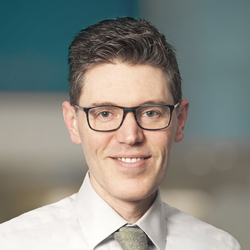
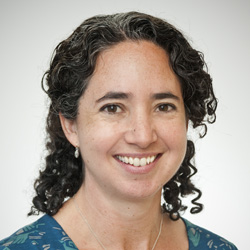
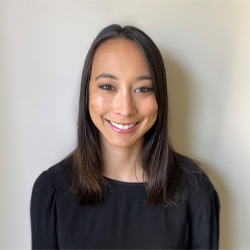
Feeding and Swallowing
Infants and children with 22q related disorders may have difficulties with feeding and/or swallowing. Our feeding and swallowing therapists assess and support your child’s eating and drinking from infancy through childhood. They work closely with your family and your child’s medical team (primary care doctor, nutritionist, craniofacial pediatrician etc.) to develop safe feeding plans to help your child grow and thrive.
-
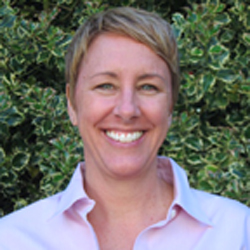
Tracy Brundage, MOT, OTR/L, IBCLC
Genetic counseling
Our genetic counselor has specific experience with 22q disorders. They can advise you about the advantages and limitations of genetic testing, explain test results, give you information about your child’s condition and help you make informed decisions about family planning and your child’s treatment.
-
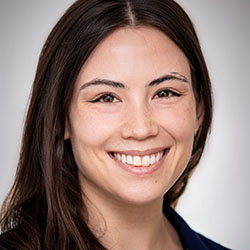
Maria Mills, MS, CGC
Immunology
Our immunologist works with the care team to make sure your child’s immune system is working well to help your child manage infections.
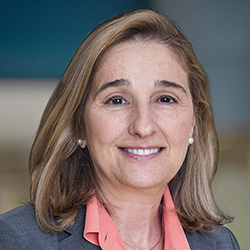
Medical assistants
The 22Q Medical Assistant will get you ready for your appointment, taking vitals and making sure your child’s chart is up to date. They can help you navigate your time in clinic by keeping track of your schedule and being ready with snacks and coloring!
-
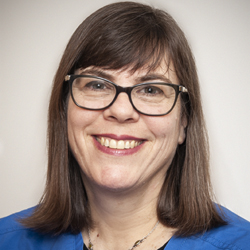
Patricia Harriman, MA
-
Maja Koch, MA
-
Brandy Teigen, CMA
-

Neuropsychology
Youth with 22q may have challenges with learning, development, focus, behavior, or school. Our Neuropsychology team assesses babies, children, teens and young adults with medical conditions that may affect their thinking, memory, learning, or behavior. Our evaluations will help identify your child’s cognitive strengths and weaknesses, and make recommendations for supports and interventions.
Nursing
Treatment plans for 22q can be complex. Our nurse coordinates your child’s care and eases communication among the care team members and with your family. She can answer questions and offer advice.
-
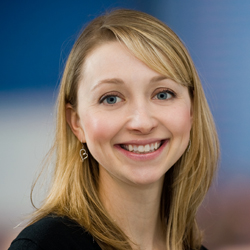
Christina Parrish, RN
Nutrition
Children with 22q may have challenges with eating and weight gain, especially during the first years of life. Our dietitian works closely with your family, your child’s regular doctor, and your child’s 22q pediatrician to develop feeding plans, monitor calorie intake and track weight gain.
-
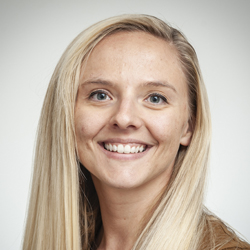
Mariah Nicole Kassuhn, MS, RDN, CD
Psychiatry and Behavioral Medicine
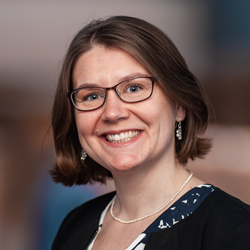
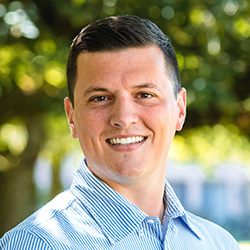
Our psychiatry and behavioral medicine providers include psychiatrists, psychologist and nurse practitioners who specialize in neurodevelopment and mental health conditions and will support your child and family through the challenges of a craniofacial condition. They can help determine how a craniofacial condition is affecting your child and family life and provide guidance.
-
-
-
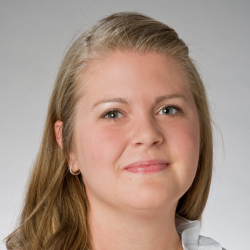
Tiffany A Sandy, ARNP
-
Speech and language pathology
Children with 22q related disorders may have speech problems. Our speech pathologists assess and monitor your child’s speech development throughout childhood to determine how to improve their speech skills. They may recommend treatment such as speech therapy, a speech appliance or surgery.
-
Lauren Beckett, MC, CCC-SLP
Other specialties include:
These providers are all part of our coordinated 22q Clinic team.
Depending on your child’s needs, they may also receive care from other Seattle Children’s specialists for problems related to their bones, eyes, gastrointestinal system, heart, endocrine system, or kidneys. Your 22q Clinic nurse and pediatrician can collaborate with these other specialists to plan and provide your child’s care.
Contact Us
Contact the 22q Clinic at 206-987-0339 for an appointment, a second opinion or more information.
If you live outside of Washington, Alaska, Montana and Idaho, please contact our Craniofacial Center coordinator for out-of-area patients at 206-987-0814.
Providers, see how to refer a patient.
Telemedicine at Seattle Children’s
Your child’s first appointment in our clinic is usually in person. Later visits may be offered via telehealth (virtual). We encourage families to come to visits in person when they can, especially when their child needs to see more than 1 team member.
Paying for Care
Learn about paying for care at Seattle Children’s, including insurance coverage, billing and financial assistance.